Laser Rust Removal Restoration and Cleaning
What is it?
One of the most important applications of laser cleaning is the removal of rust and unwanted painted substrates.
Rust is a thin layer of oxidized material that can arise on the outside of a metal surface and formed by the reaction
of iron and oxygen in the catalytic presence of water or air moisture. The traditional techniques to remove rust are sanding,
chemical treatment, sandblasting, dry ice blasting, etc. These techniques are either very time consuming or have a big impact on the environment.
Our unique laser cleaning service allows our customers to reduce production interruptions and enhance productivity.
Solving problems effectively and efficiently, helping our customers reach and exceed their goals.
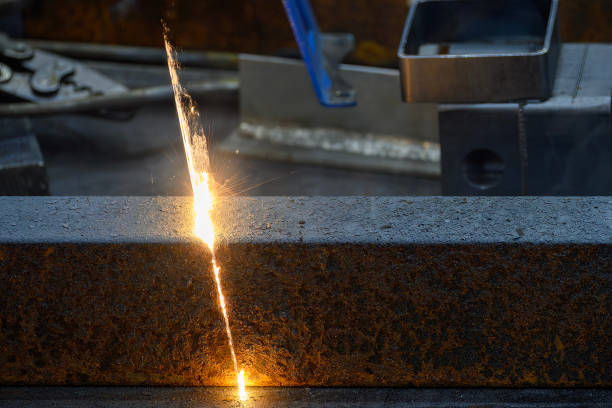
 20X Faster
 – We clean faster than using chemicals. No wait times for chemicals to process and no clean up after
cleaning other than some light vac or sweeping.
Efficient – set-up is easy and we can start cleaning in minutes.
Minimal space required – laser cleaning does not require extra space, meaning little impact on
surrounding work areas.
Safe – laser cleaning will not leave chemical, mechanical or thermal strain on the substrate.
Mobile – the laser can easily be maneuvered providing flexibility
Clean – low noise, no chemicals, less fumes and dust, which means no clean up after work is performed.
Minimal waste – laser cleaning does not leave collateral waste or leftover hazardous materials.
Environmentally friendly – chemical cleaning materials are not required and any waste can be easily
removed via a vacuum.
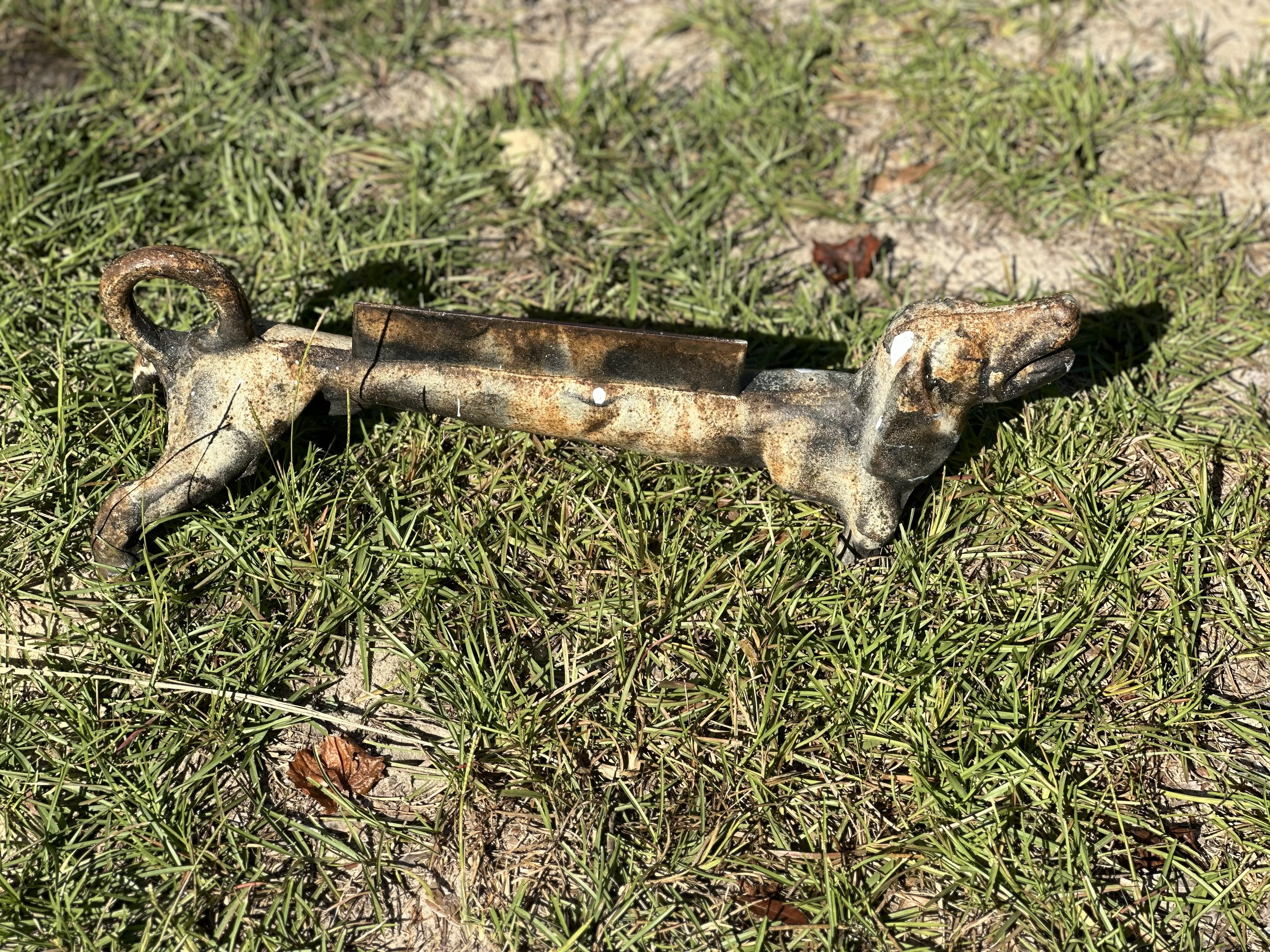
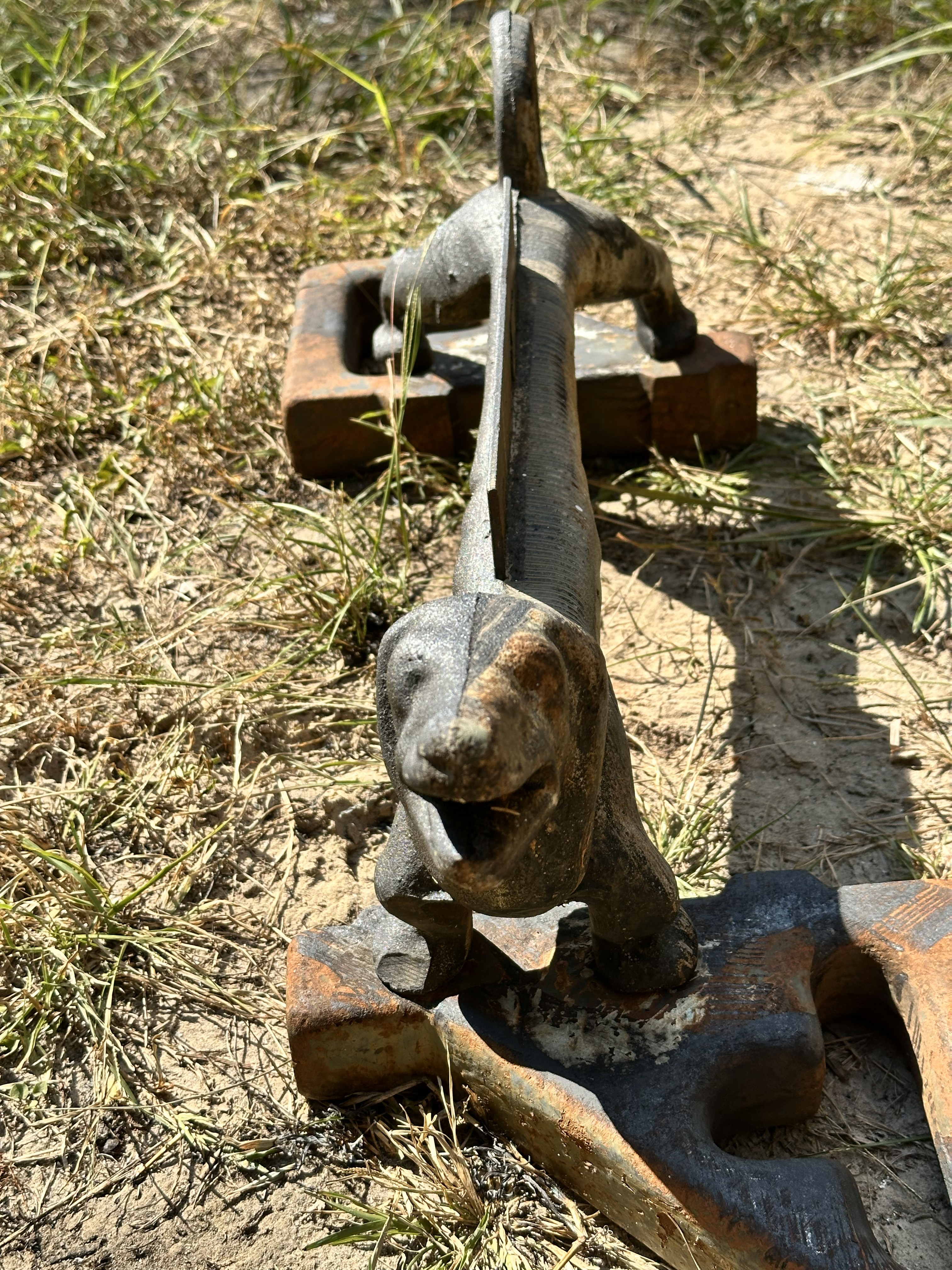
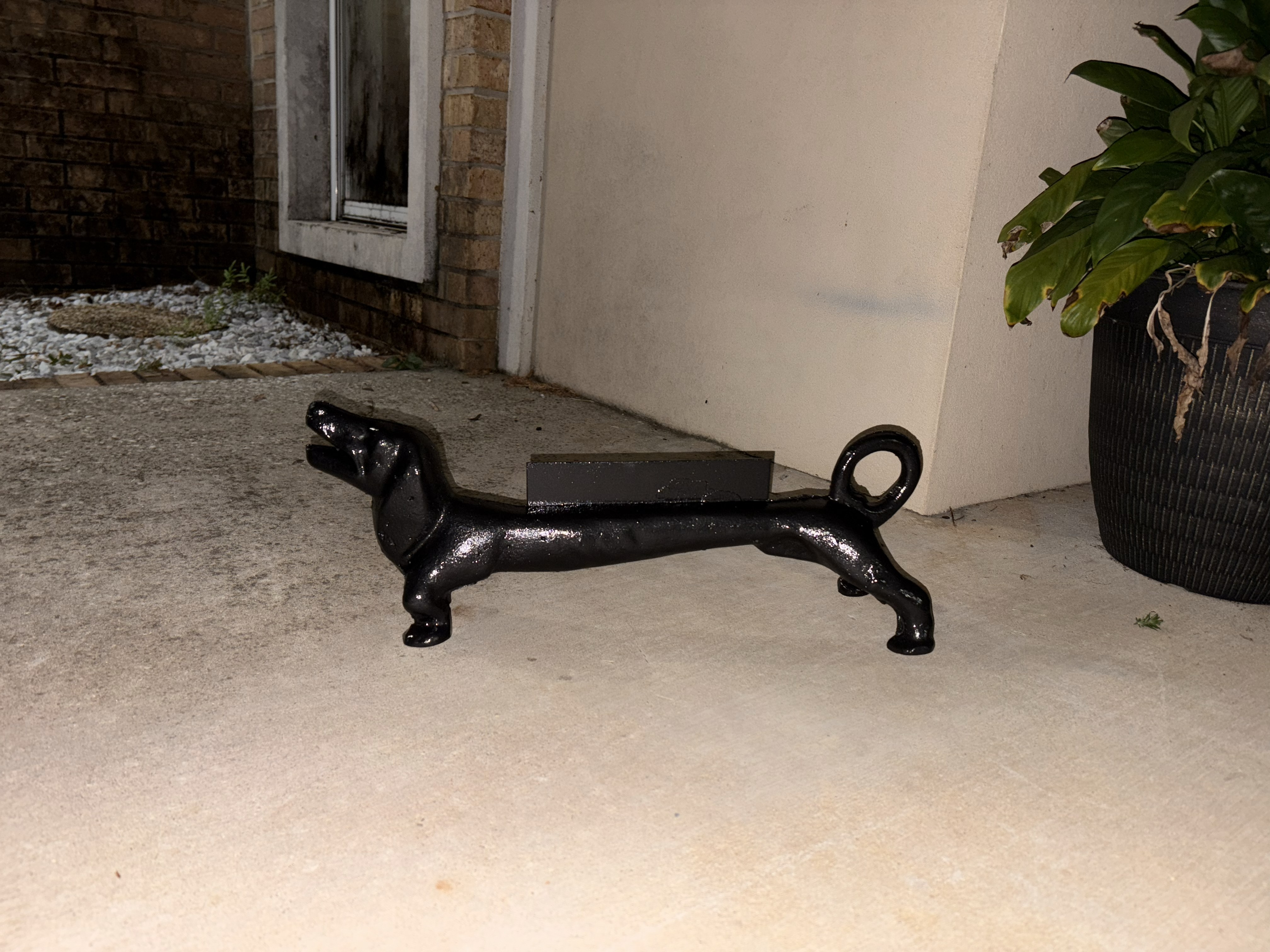
Stop wasting time and money on pressure washing or sand blasting
With the removal of rust with laser cleaning, no great forces are used to remove the rust infection into the environment, but it’s also possible to clean large surfaces
in a short period of time with very little labor and cost in comparison to traditional cleaning. For instance, you can fully strip a car down to the bare metal in only an hour.
To remove rust with laser beams, a laser wand is aimed at the rust layer and slowly passes over the entire surface. The beam moves quickly back and forth and covers a
width of 5 to 100 cm.